

A spoiler-free May studio update on the Godot sandbox, Terrain3D testing, asset exploration, and movement systems shaping our first game.
Game Progress
Let’s get right down to it: I have made significant progress over the past six weeks. That matters to me, especially given the limited time I have available outside the rest of life.
From day one, I knew I wanted to build in Godot. I also knew my TypeScript experience was worth leaning on. What I did not know, at least in any practical sense, was how to build a game. That part is changing quickly.
One thing I have learnt from software development is that foundations matter. A good foundation lets systems do their jobs. It lets them change without collapsing under their own weight. It is not just a pile of parts; it is the structure that gives everything else somewhere reliable to stand.
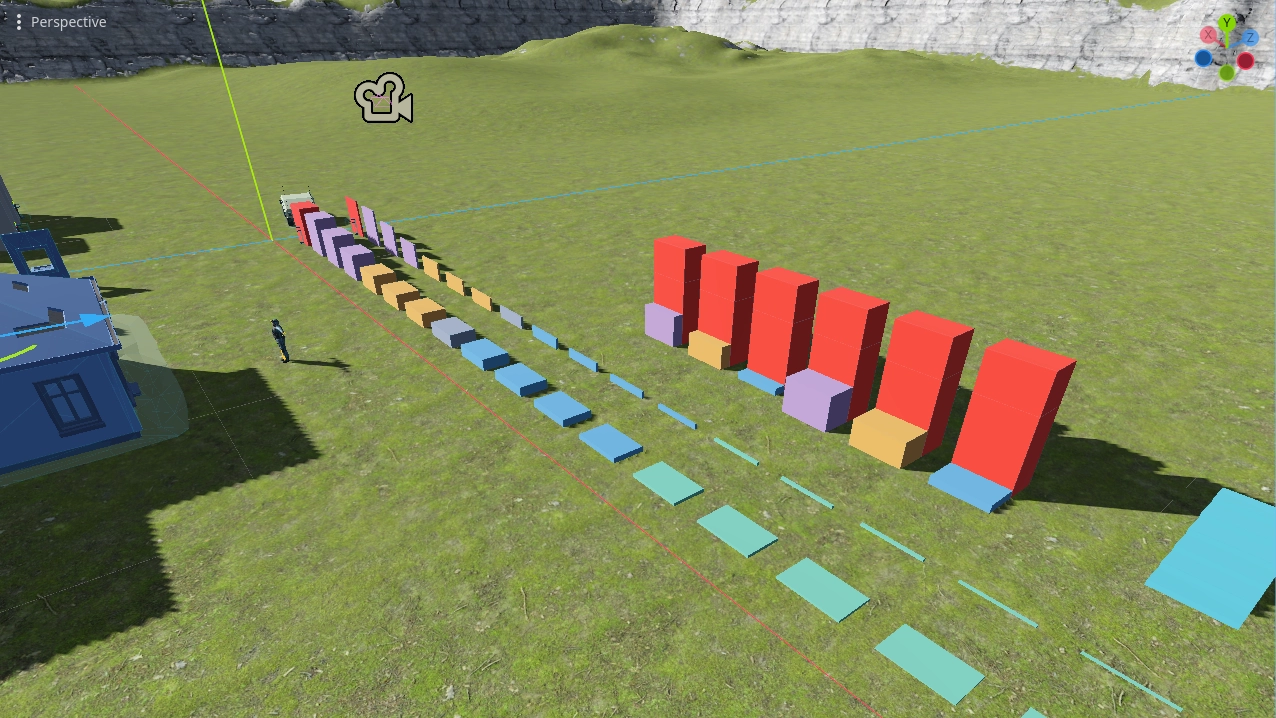
The screenshot tells part of that story.
I am still being careful not to give too much away, but what you are seeing is a sandbox. It is growing in size and complexity, and right now it is the main place where I develop and test systems. This is where I can try ideas, break them, observe the failure, refine the behaviour, and make sure the underlying pieces are strong before they become part of anything more permanent.
A little more context: I am using Terrain3D. Before bringing it into the sandbox, I created a separate test using the supplied demo scene, dropped the player into it, adjusted a few things, and worked out whether it suited the needs of the project. Once I was confident it was a strong fit, I pulled it into the main sandbox.
I am also testing a mix of off-the-shelf and custom-made assets. I am not fixed on a final direction yet. Prefab assets offer a massive time-saving advantage, especially during systems development, but I am also aware they can carry a stigma if they are used carelessly. For me, the important question is not whether an asset started life as a prefab. It is whether the final result feels cohesive, intentional, and right for the game.
For now, these assets are there to support development. They help me test scale, readability, movement, terrain, collision, and the general feel of moving through a space. Some may stay, some may change, and some may only exist long enough to help the right system emerge.
My plan is to keep growing this sandbox as I build the foundational systems that will eventually make the game live and breathe. The sandbox is not the game. It is a tool that helps create new tools, until I reach the point where I have what I need to build real content with confidence.
My current focus is player movement, traversal, and obstacle negotiation. I want a player model that allows free movement without feeling loose or restricted. The player should be able to negotiate tricky pathing, scale reasonable obstacles, and move naturally across varied terrain and environments. That kind of movement matters because it shapes how the world feels before anything else is layered on top.
And that is just the start.
Beyond movement, there are systems for every major aspect of the game that need to be built, tested, and refined. Before I create a playable demo level, I want the systems thinking to be robust enough that I can keep pushing forward with confidence rather than constantly rebuilding the same foundations.
I am serious about getting this right. This is a lifelong dream for me, and I want to create something I can be proud of. More than that, I want to create something other people can step into, explore, and enjoy.